




Knowing when to schedule heating repair versus when to replace your system can save you money and stress as your equipment ages. Legacy Heating & Air provides dependable insights that help homeowners understand the true lifespan of their heating systems and make informed decisions that protect comfort and efficiency.
Most systems show signs long before they fail completely, but many homeowners overlook them until energy bills rise or breakdowns become frequent. Understanding these signs early ensures your home stays warm, efficient, and safe throughout the colder months.
1. Understanding the Average Lifespan of Heating Systems
Most heating units last between 15 and 20 years, depending on the type of system, climate, and maintenance frequency. Older units tend to struggle with performance, creating uneven temperatures and longer run times as components wear out.
When a system reaches the end of its lifespan, repair costs begin to rise, making it less cost-effective to continue fixing persistent issues. Recognizing these patterns early helps you prepare for a smarter upgrade and ensures your home remains reliably heated.
2. Age vs. Efficiency: When Performance Starts to Decline
A system approaching 12 to 15 years often begins losing efficiency even if it still operates. You may notice higher energy bills or slower warm-up times because aging components require more effort to deliver the same output.
If inefficiency continues despite tune-ups, it becomes a sign your unit is no longer performing at its best. This stage is when homeowners should start comparing long-term savings between repeated repairs and planning ahead for the replacement.
3. Frequency of Repairs: A Major Decision Factor
A heating system that needs frequent service calls is usually signaling deeper internal wear. While repairing minor issues is normal, replacing major components repeatedly can quickly exceed the value of the unit itself.
If you notice patterns like noisy operation, constant cycling, or sudden shutdowns, the cost ratio between repairing and replacing becomes a critical factor. Evaluating repair history helps determine whether ongoing fixes are still sensible or just delaying the inevitable.
4. Rising Utility Bills as a Warning Sign
A sudden or gradual increase in heating bills typically points to declining energy efficiency. As heating systems age, they require more power to achieve the same comfort level, especially during colder periods.
When utility costs continue to climb despite regular maintenance, the system is likely working harder than it should. This ongoing strain can shorten its remaining lifespan and make a future heating replacement more cost-effective.
5. Comfort Problems: Uneven Heating and Longer Cycles
If your home has cold spots or the system runs longer than usual, it may be a sign of failing internal components. Older units struggle to distribute heat evenly, especially when ductwork or blower motors begin to deteriorate.
These comfort issues often indicate that repairs may only temporarily mask the underlying problem. When performance continues dropping, homeowners may need to evaluate whether improved airflow or a complete heating installation offers a better long-term solution.
6. Safety Concerns With Aging Systems
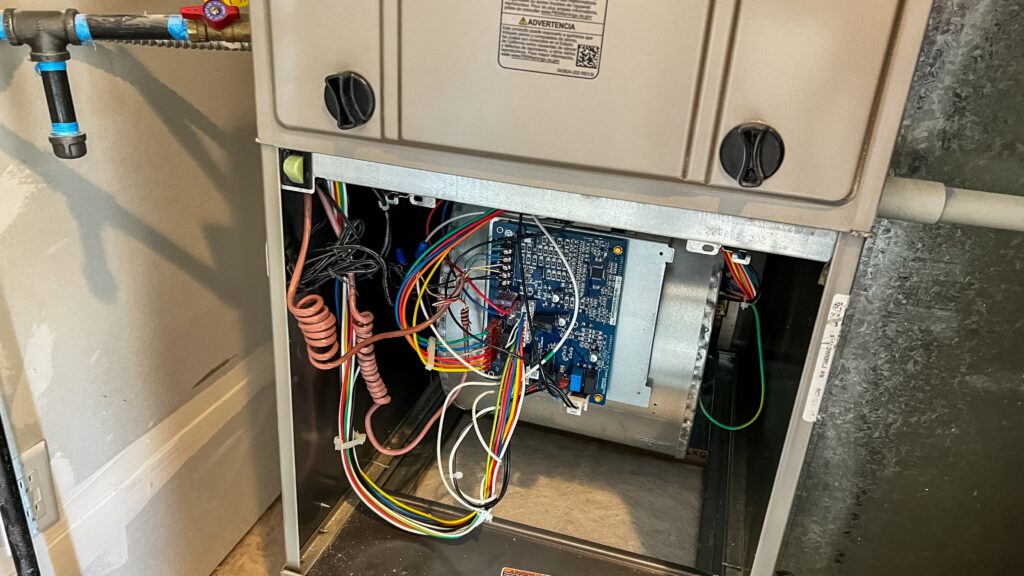
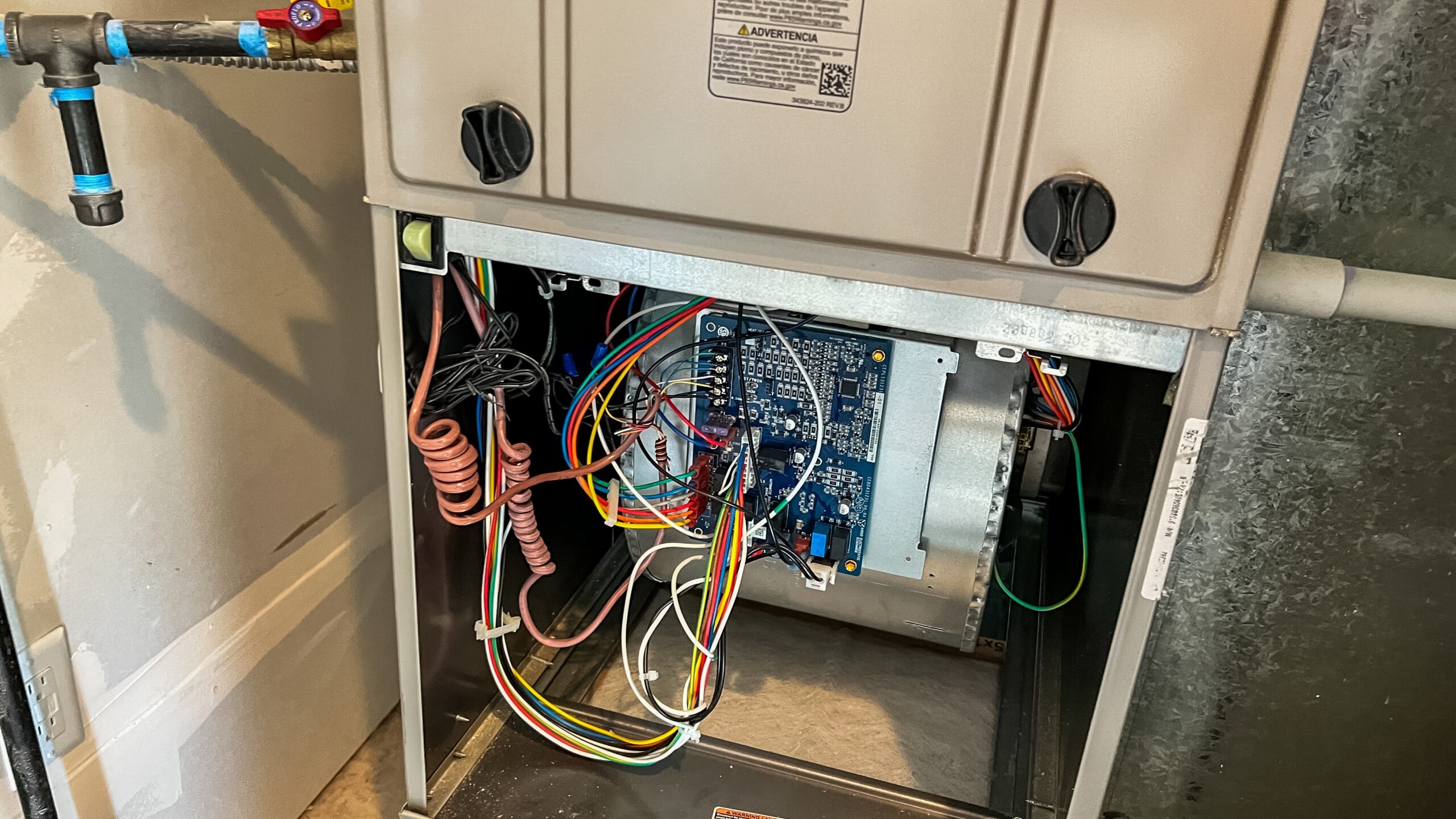
Older heating units, particularly gas furnaces, can develop safety risks as heat exchangers weaken or electrical components degrade. Warning signs may include strange odors, pilot light issues, or unexpected system shutdowns.
Repairs may resolve some of these risks temporarily, but recurring safety concerns often justify a system upgrade. Protecting your home requires paying attention to early warning signs before they escalate into hazards.
7. Comparing Repair Costs to System Value
When the cost of repairing your system reaches 30 to 50 percent of a new unit, replacement becomes the financially wiser option. High-cost components such as motors, compressors, or heat exchangers can significantly shorten the remaining lifespan after repair.
Homeowners should compare quotes, energy savings, and long-term performance before choosing. Weighing system value against ongoing repairs ensures you invest in comfort, not recurring problems.
8. Technology Advancements and Efficiency Upgrades
Modern heating systems offer higher efficiency ratings, quieter performance, and smart controls that boost convenience and savings. Older systems cannot match the comfort and energy reductions provided by new technology.
When your current unit struggles and repair costs rise, upgrading gives you improved reliability and long-term lower energy use. Evaluating new features helps you determine whether continuing repairs is worth it.
Conclusion
Choosing between repairing or replacing your heating system becomes easier when you understand lifespan indicators, repair history, and performance decline. Evaluating these factors early helps you avoid unexpected breakdowns and maintain year-round comfort.
For expert guidance on heating decisions, reach out to our experienced heating specialists at Legacy Heating & Air at 972-342-3041 for fast, reliable support.
FAQs
1. How do I know if it’s smarter to repair or replace my heating system?
If your unit is older than 15 years, needs frequent repairs, or results in rising energy bills, replacement may be more cost-effective. A professional evaluation helps confirm the best option. System efficiency and safety also play a big role in the final decision.
2. What signs mean my heating unit is nearing the end of its lifespan?
Units nearing 15 to 20 years often show symptoms like uneven heating, noisy operation, rising energy bills, or slower warm-up times. Frequent repairs usually indicate deeper aging issues. These clues suggest it’s time to assess upgrade options.
3. Can maintenance help extend the life of my heating system?
Yes, annual tune-ups help reduce wear, improve efficiency, and delay major breakdowns. Maintenance also helps detect safety issues before they worsen. Regular care maximizes performance and prolongs lifespan.