




When your system stops working unexpectedly, the first moments matter. Homeowners often panic, but knowing what to do before calling a professional can prevent damage, improve safety, and help the technician diagnose the issue faster.
Taking smart steps can also help you determine whether you truly need heating repair or if the problem is something simple you can fix on your own. In many cases, a few quick checks can restore comfort without delay. When the issue is more serious, these actions help you stay safe until Legacy Heating & Air arrives.
1. Confirm That the Power Supply Is Working
Many heating emergencies start with power problems rather than mechanical failures. Check your circuit breaker to see if it has tripped, and reset it if necessary. A sudden power surge, overloaded circuit, or minor electrical glitch can cause your system to shut down unexpectedly, making it look like a major failure.
After resetting the breaker, give your system a few minutes to restart fully. If it keeps tripping, avoid further attempts and wait for a professional, because repeated resets can damage wiring or internal components.
2. Inspect the Thermostat Settings Carefully
A surprising number of emergency calls come from incorrect thermostat settings. Make sure it is set to “Heat” and that the temperature is slightly higher than your current indoor reading. If the thermostat has dead or weak batteries, replace them and check if the unit responds properly.
Digital models can sometimes freeze or malfunction, so rebooting the thermostat can restore normal function. If it still doesn’t trigger the system, the problem may be in the wiring or the furnace itself.
3. Check for Clogged Air Filters That Restrict Airflow
A heavily clogged filter can choke your heating system and cause it to shut off as a safety precaution. Pull out the filter and inspect it under good lighting to see whether dirt, dust, and debris are blocking airflow. A clean filter supports efficient heating and prevents overheating issues that may look like emergencies.
Once you replace the filter, allow the system a few minutes to cycle back on. If it continues shutting down, the underlying issue is more serious and needs professional attention.
4. Make Sure All Vents Are Clear and Open
Blocked supply or return vents can lead to temperature imbalances and reduced airflow, tricking homeowners into believing the furnace is failing. Walk through your home and ensure no furniture, rugs, or storage boxes are blocking vents. Closed or obstructed vents can put unnecessary strain on the system, causing it to overheat and shut down.
After clearing vents, feel for airflow once the system restarts. If multiple rooms still feel cold, there could be a ductwork or internal issue that requires expert diagnosis.
5. Listen for Unusual Noises or Smells Before Restarting
Strange sounds such as banging, screeching, or grinding often signal worn parts or mechanical damage. Unusual smells like burning plastic or electrical odors can be a sign of wiring problems or overheating components. Pay attention to these warning signs before attempting to restart your furnace.
These details help technicians troubleshoot accurately and prevent further damage. If you notice strong odors or loud noises, shut down the system and prioritize safety until help arrives.
6. Look for Error Codes or Indicator Lights
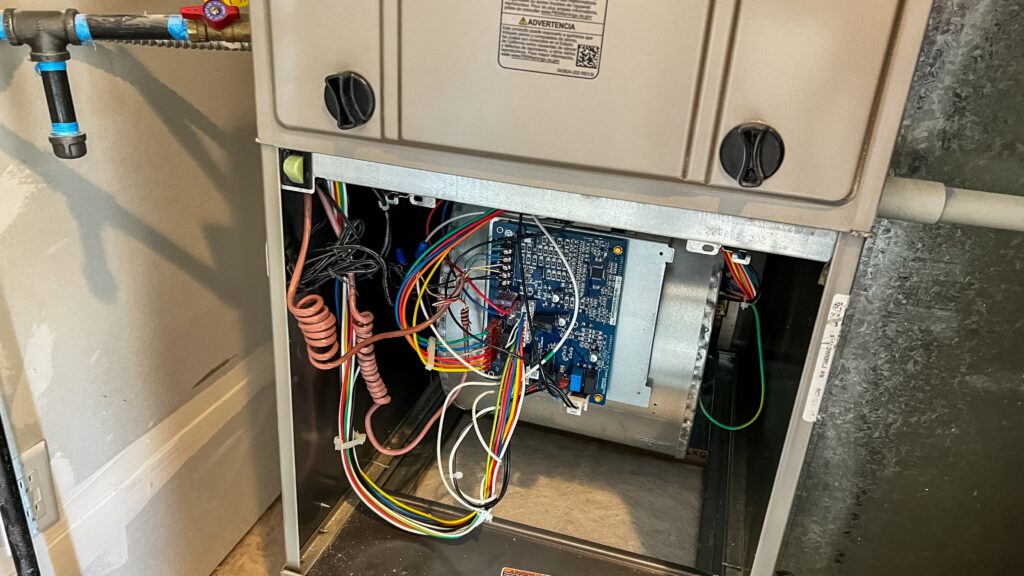
Most modern systems display error codes that point to specific issues. Check your furnace panel or thermostat screen for blinking lights or alphanumeric codes. These codes can help you understand whether the issue is minor or an emergency.
Document anything you see before resetting the system. Sharing this information later can speed up the repair and ensure the right replacement parts are brought during the visit.
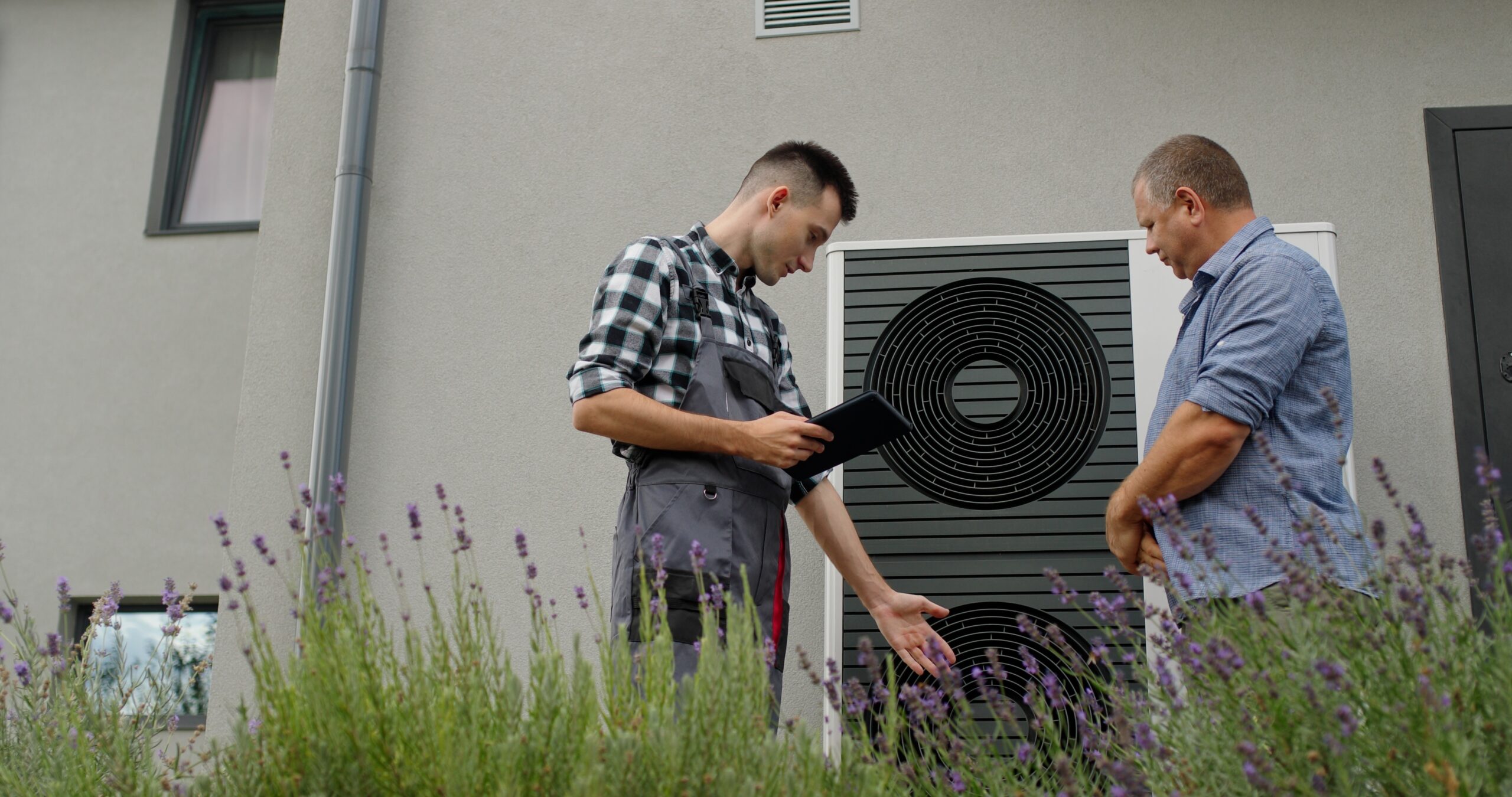
7. Examine the Outdoor Unit in Heat Pump Systems
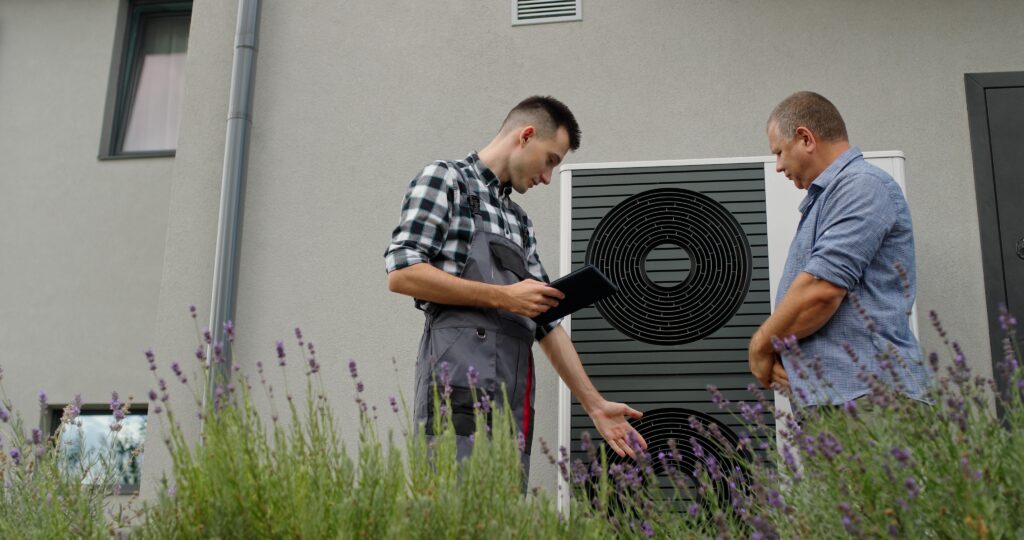
If you use a heat pump, the outdoor unit plays a major role in the heating function. Inspect the surrounding area for leaves, ice buildup, or debris blocking airflow. A blocked outdoor coil can cause rapid shutdowns and drop your home’s temperature quickly.
If you notice frost or snow accumulation, gently remove loose debris but avoid chipping away ice. A technician can safely defrost the unit if needed and diagnose any deeper issues.
8. Know When the Problem Is a True Emergency
Some situations require immediate attention, especially if you smell gas or detect a burning odor. Gas odors require you to leave the home immediately and call emergency services rather than restarting your furnace. Burning smells, smoke, or sparks are also red flags signaling electrical or mechanical hazards.
If the system refuses to turn on after your initial checks, stays off repeatedly, or shows signs of internal failure, it’s time to call a professional. Taking quick action protects your home and prevents expensive damage.
Conclusion
Handling a heating issue at home can feel stressful, but knowing what to do beforehand can keep you safe and help you resolve minor problems faster. Once you’ve completed these steps, you’ll be better informed and prepared when the technician arrives.
Do you need fast help? Contact the trusted experts from our team at Legacy Heating & Air at 972-342-3041 and get your home warm again quickly.
FAQs
1. Why isn’t my furnace turning on even though the thermostat is set correctly?
A furnace may fail to turn on due to tripped breakers, dirty filters, thermostat malfunctions, or internal component failures. Checking these areas first helps narrow down the cause. If none resolve the issue, schedule a professional inspection.
2. What should I do if my heater produces a burning smell when it starts?
A temporary dusty smell is normal after long periods of inactivity, but persistent burning odors are not. Shut the system down immediately. Contact a technician to inspect wiring or overheating components safely.
3. How can I troubleshoot weak airflow before calling a technician?
Check for clogged filters, blocked vents, and thermostat issues. Weak airflow often comes from restricted circulation or internal blower problems. If airflow remains poor after basic checks, the system needs professional servicing.