





Heating replacement has become a major decision for homeowners in 2026 as newer technologies, evolving energy standards, and fluctuating material costs affect total investment. Working with trusted experts like Legacy Heating & Air ensures you understand exactly what determines pricing so you can make informed choices without surprises. Homeowners now face more options than ever, and knowing each cost factor helps you plan ahead.
These changes also make it easier to balance efficiency, comfort, and long-term value while avoiding systems that don’t fit your home’s layout or energy needs. When you understand the complete breakdown of costs, you can confidently select the right system and avoid unnecessary expenses.
1. Equipment Type and Model Efficiency
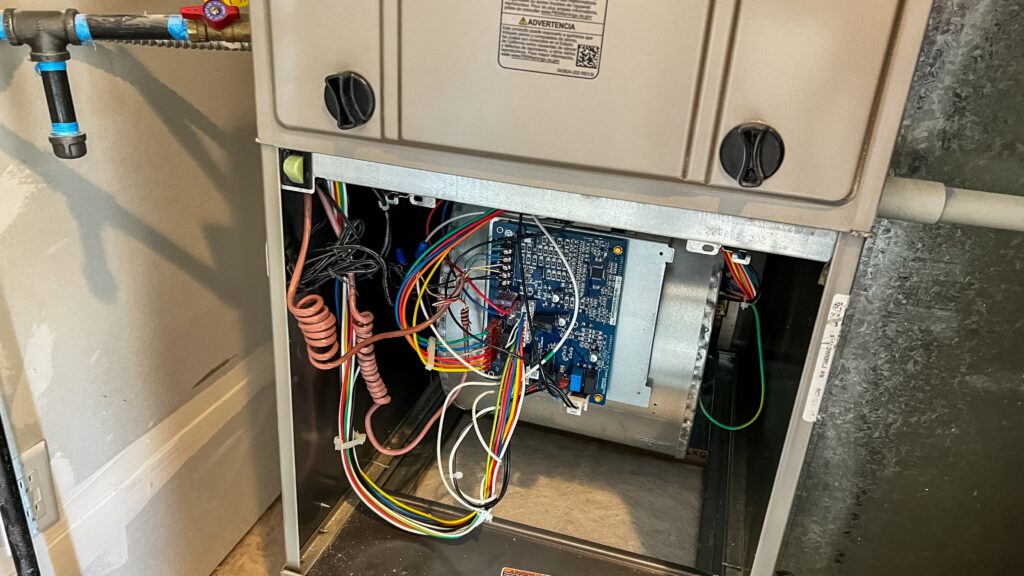
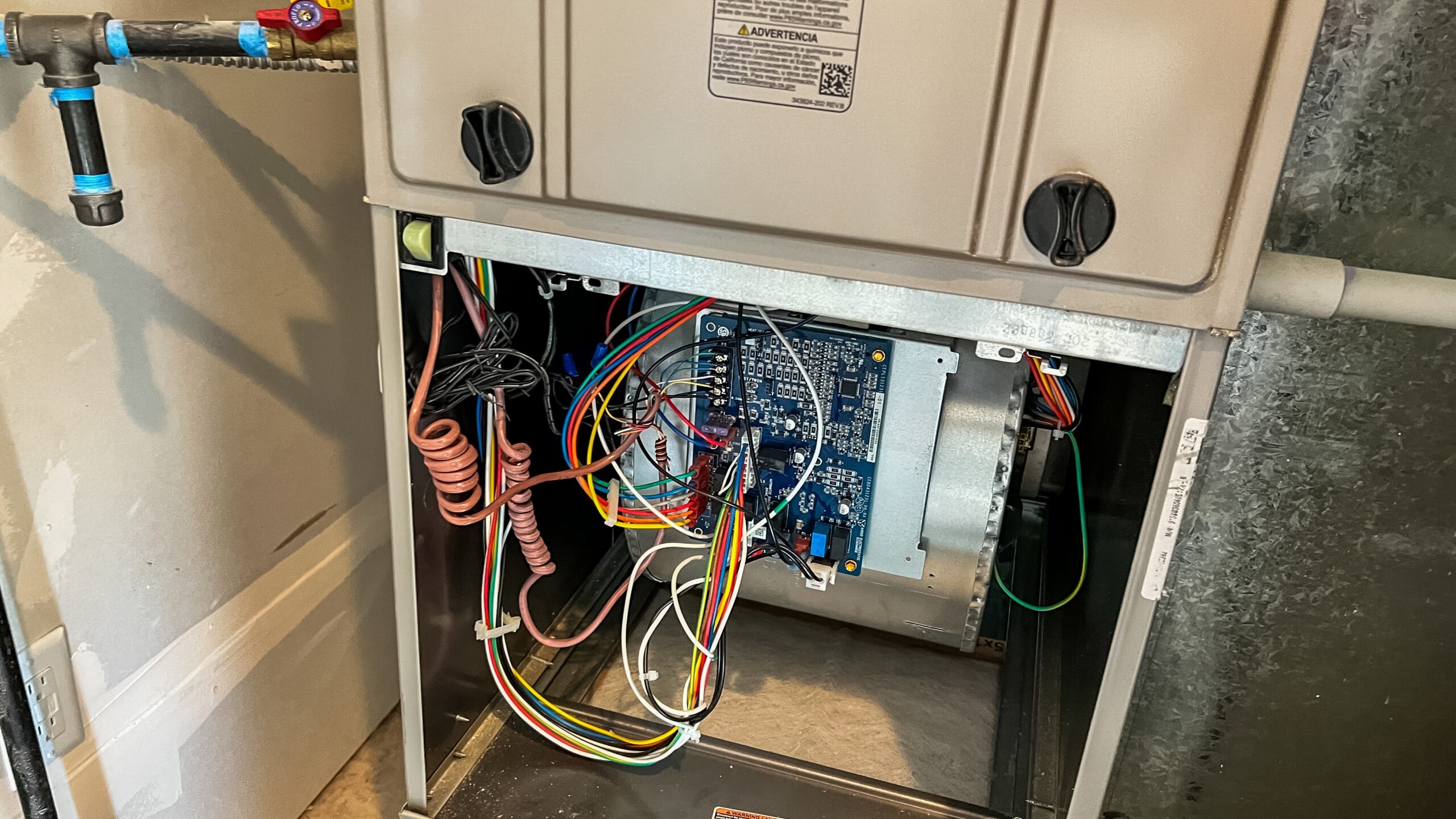
The biggest factor in the replacement pricing is the system you choose, especially as 2026 brings more high-efficiency and smart-enabled models. Standard furnaces remain affordable, but heat pumps and hybrid systems cost more upfront because they offer better performance and energy savings.
Efficiency ratings also affect long-term utility bills, making high-SEER or AFUE systems appealing for homeowners planning to stay in their home for years. Choosing the right balance of cost and efficiency ensures comfort without stretching your budget.
2. Home Size and Required Heating Capacity
Larger homes require systems with greater heating capacity, directly increasing equipment and installation costs. A properly sized unit is essential because an undersized system strains to heat your home, while an oversized one wastes energy and wears down faster.
Professional load calculations help determine the exact BTU requirements, so you avoid inefficiency or poor indoor comfort. Sizing is a critical step many homeowners overlook, but it plays the biggest role in long-term performance.
3. Ductwork Condition and Modifications
If your home has aging or leaky ductwork, repairs or replacements will significantly impact the final cost. Many homeowners discover duct issues during replacement, adding labor, materials, and testing to their overall investment. This can also affect indoor air quality and airflow stability.
New ductwork improves efficiency and prevents heat loss, making it a valuable upgrade for older homes. While optional in some cases, technicians recommend it when airflow readings show uneven distribution or system strain.
4. Labor Rates and Installation Complexity
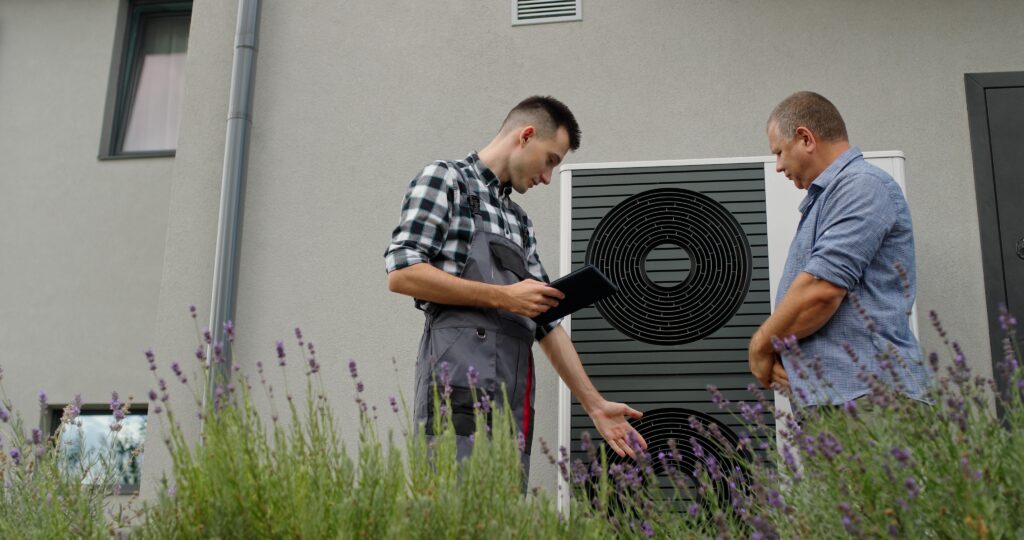
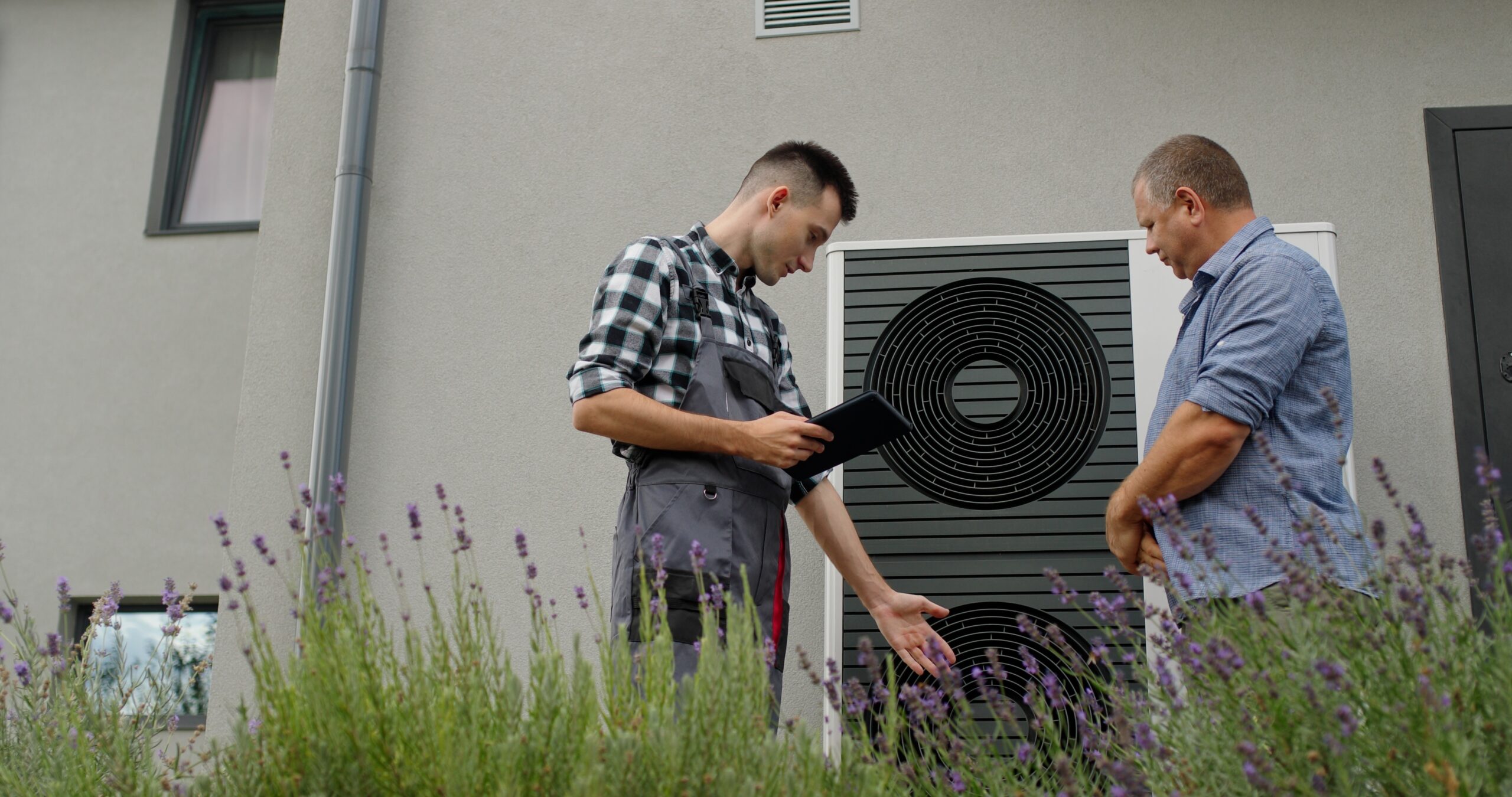
Skilled labor is a major component of heating replacement pricing because proper setup ensures system performance, safety, and lifespan. Labor rates vary by region, demand, and seasonal factors, especially during extreme weather when HVAC appointments fill quickly.
Complex installations like multi-zone heat pumps or attic-based furnaces require more hours and specialized experience. This is where choosing a reliable company helps avoid rushed or poorly completed work that leads to future repairs.
5. Smart Thermostat or Control System Upgrades
Many homeowners in 2026 are adding smart thermostats to improve energy efficiency and remote control access. While optional, these upgrades increase installation costs due to setup, wiring adjustments, and system integration.
Smart controls help track energy usage, adjust heating cycles, and maintain consistent indoor temperatures. When paired with new equipment, they maximize efficiency and ensure you get the most from your investment.
6. Permit Costs and Local Code Requirements
City codes evolve as energy-efficiency standards rise, meaning homeowners may face updated permit requirements. These permits ensure your installation meets safety and performance guidelines, but they add fees that vary by location.
Inspection requirements also play a role, especially in older homes that need electrical or structural updates. Proper permitting prevents complications during home sales and keeps your installation fully compliant.
7. Additional Upgrades or Safety Enhancements
Some heating replacement projects include optional add-ons like improved air filtration, humidifiers, or safety switches. These upgrades elevate comfort and efficiency but add to total costs because they involve extra materials and installation time. A keyword such as indoor air quality upgrade fits naturally here as more homeowners focus on cleaner air.
While not mandatory, these additions can extend your system’s lifespan and improve daily living conditions. Choosing upgrades depends on your comfort goals and whether your home currently struggles with dryness, dust, or uneven heating.
8. Energy Rebates and Government Incentives
One positive cost factor is the availability of rebates for energy-efficient systems. Federal and local programs in 2026 help offset high-efficiency system costs with rebates, tax credits, and seasonal promotions from manufacturers.
These incentives reduce upfront investments and encourage homeowners to choose greener heating options. Always verify eligibility, as some rebates apply only to specific efficiency ratings or installation requirements.
Conclusion
Heating system replacement costs in 2026 depend on many factors, from equipment type to installation complexity and local regulations. When you understand each cost component, it’s easier to plan ahead and choose a system that balances efficiency, comfort, and long-term savings. Working with experienced professionals ensures you get the best performance without unnecessary expenses.
Ready to plan your heating upgrade with confidence? Contact our reliable team at Legacy Heating & Air at 972-342-3041 for expert guidance and a seamless installation experience.
FAQs
1. What is the average cost of heating system replacement in 2026?
The replacement prices vary widely based on system type, labor, home size, and efficiency features. Most homeowners receive customized quotes after a professional inspection. Costs are higher for heat pumps and high-efficiency systems.
2. How long does a heating system replacement take?
Most standard installations take one day, but ductwork repairs or complex systems may require additional time. Technicians assess your home first to determine the expected timeline. Preparation and testing ensure long-term performance.
3. Is a high-efficiency system worth the extra cost?
High-efficiency heaters cost more upfront but save money through lower utility bills and reduced energy waste. They also offer quieter operation and better comfort control. Homeowners planning to stay long-term often benefit the most.