


BBB
licensed

The Complete Guide to Heating Repair: Understanding Problems, Repairs, and Long-Term Comfort

Get an Estimate Now

5% off for First Responders

Heating systems are essential in ensuring that the home is comfortable, safe, and energy efficient during the winter months. If a heater has problems or completely stops working, it will be obvious immediately through uneven temperature throughout the house, increased utility bills, strange sounds coming from the equipment, and safety issues. This is a comprehensive service guide to educate homeowners on heating repairs from an all-encompassing perspective and will utilise professional insight to provide clarity to the homeowner on what to expect.

This service guide is prepared by Legacy Heating & Air based on our actual experience maintaining and servicing residential heating systems throughout North Texas.

Common Heating System Problems and How to Identify Them

When a homeowner notices early signs of a malfunctioning HVAC system, he/she/they can take action to stop small deficiencies from developing into significant breakdowns.

No Heat or Insufficient Heat typically mean there is a problem with the ignition, malfunctioning thermostat, or restriction of airflow. If your heating unit appears to work (runs), but does not provide adequate heat to your home, the cause may be worn internal parts or incorrectly reading temperature sensors.

Uneven Heating Between Rooms usually indicates duct leaks, blocked vents, or blower motor issues. In some cases, improper system sizing can also contribute to comfort imbalance.

Unusual Noises such as banging, rattling, or screeching often signal loose components, delayed ignition, or failing bearings. These sounds should never be ignored.

Frequent Cycling occurs when the system turns on and off repeatedly. This behavior increases wear, reduces efficiency, and is often caused by airflow problems or faulty thermostats.

Rising Energy Bills without a change in usage frequently indicate declining efficiency due to dirty components, aging parts, or improper calibration.

Signs You Need Heating Repair Services

Heating systems often communicate distress well before a full breakdown occurs. Recognizing and responding to these warning signs early is not only good for comfort and safety but it also helps in reducing the risk of expensive emergency repairs.

Persistent Cold Spots Throughout the Home

Uneven heating is commonly an indication of airflow restrictions, duct leaks, or a failing blower. If these problems are not taken care of, the system will be forced to overwork thus it will wear out faster and the energy consumption will be increased.

Burning or Musty Odors During Operation

In the case of a burning smell, it may be an indication that dust has accumulated on the heating components or that there is an electrical issue. On the other hand, musty odors mostly indicate that there is moisture in the system or that there is mold growth inside the system or the ductwork. In both cases, a professional should be called immediately for safety and air quality reasons.

Pilot Light Problems or Ignition Delays

A pilot light that wont stay lit or delayed ignition can be a sign of gas supply issues, sensor malfunctions, or the failure of the ignition components. These problems can not only lead to inefficiency but also cause safety risks if the issues are not taken care of.

Poor Airflow Through Vents

Poor airflow can be attributed to dirty filters, blocked ducts or problems with a blower motor. Poor airflow affects heat distribution and unnecessarily puts stress on a heating system.

The System is Not Reaching Thermostat Settings

When a heater is always running but not reaching thermostat settings, it can indicate a problem with efficiency, mechanical wear or an incorrect calibration. Increased energy bills and increased likelihood of breakdowns will result from this.

Carbon Monoxide Detector Warnings

The presence of alarms from a carbon monoxide alarm indicates a serious safety concern and could indicate that combustion is not complete, the vent system has problems or the heat exchanger is damaged. Immediate professional evaluation is essential to protect household safety.
Professional heating repair services identify the root cause behind these warning signs, restore reliable performance, and make sure that the system operates safely before minor issues escalate into major failures.

Types of Heating Systems: Repair Considerations

Heating systems may be serviced differently depending on the type of heating system you have. Therefore it is important to understand what type of heating system you have in order to anticipate what will need to be done when your heating system is serviced.

Furnaces typically use combustion or electric heating elements for heating the air. A furnace repair usually consists of igniters, burners, heat exchangers and airflow components.

A boiler heats water and provides heat for radiators or a heated floor. Commonly needed repairs for a boiler include pumps, valves and leaks.

A heat pump moves heat rather than producing it. Have a heat pump repaired if you notice issues with the refrigerant level, reversing valve or defrost control.

Hybrid heating systems combine aspects of both a furnace and a heat pump. They require special testing equipment to monitor the transfer of energy between these two forms of heating so that the hybrid heating system operates efficiently.

How Heating Systems Work: A Brief Overview

Heating systems function as coordinated comfort networks rather than standalone machines. Once the thermostat detects a temperature drop, it sends a signal to the heating equipment to begin operation. Heating systems create warmth through combustion, electric resistance, or heat transfer, then distribute heat uniformly via ducts, which are designed to carry heated air, or piping, which carries heated water into many rooms.

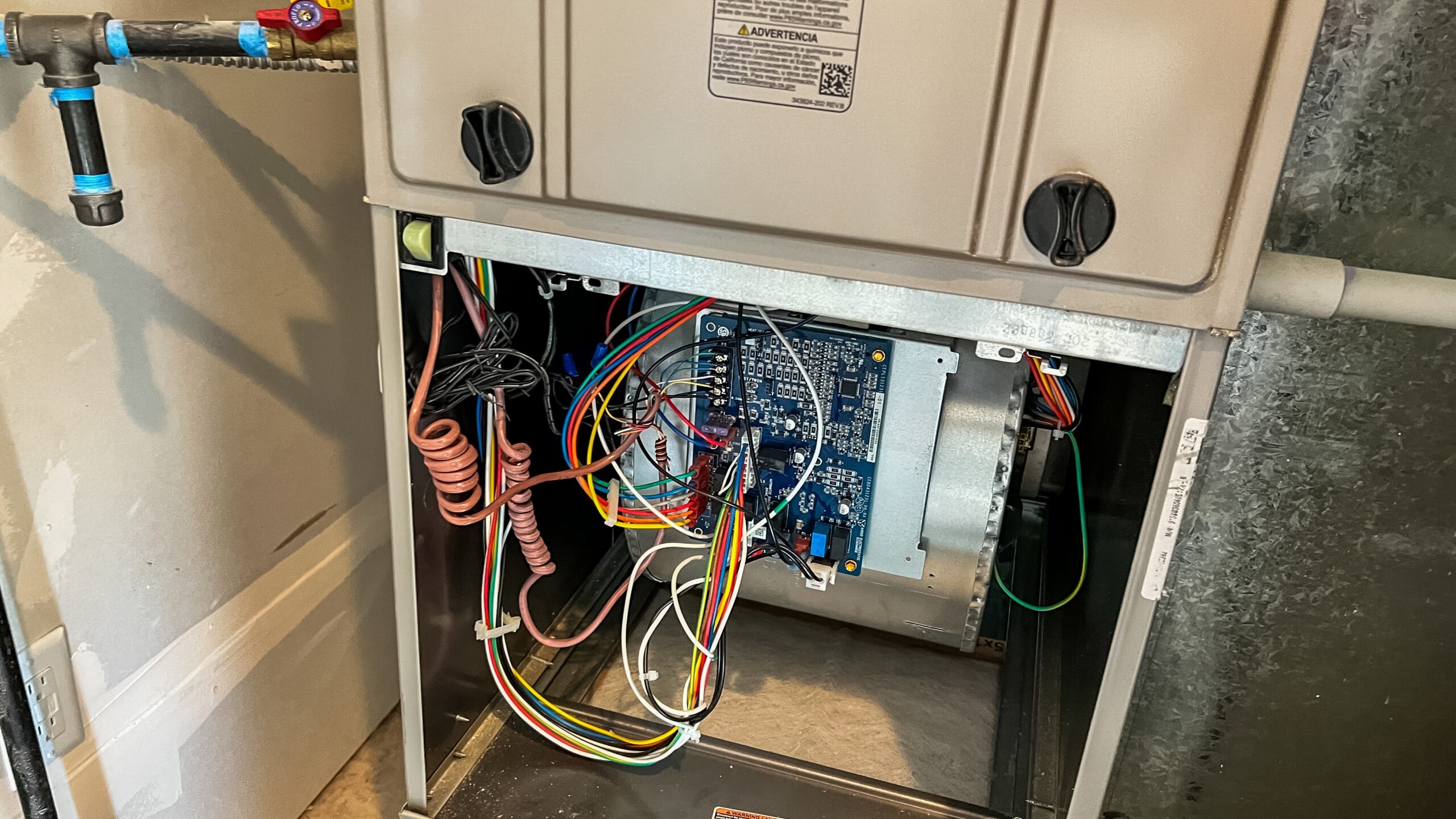
For every one of these heating system designs, there are numerous components, including burners, heat exchangers, blowers, pumps, and control boards, which work together in a very precise way. The system’s safety sensors continuously monitor the airflow, temperature, ignition, and exhaust to ensure that the system operates safely. When one of the above components becomes misaligned, worn out, or blocked, it can cause a loss of efficiency in the heating system, difficulty maintaining comfort, or complete shutdown of the entire system.

Professional heating repair services will provide complete support to the entire heat cycle. This includes ensuring that all five stages of the heating process (heat production, distribution, and safety controls) work together cohesively, and not just addressing the symptoms in isolation.

banner image

Trusted Partners You Can Count On

BBB
licensed
partner
partner
partner
Our Process

Here’s How We Work

search bar

Initial Consultation

We listen, assess your space, and outline smart options.
dollar

Transparent Quote

Upfront, itemized pricing with timelines and warranty details.
setting

Expert Installation

Certified techs install carefully, protect your home, and calibrate systems.
done

Final Inspection

We test performance, verify safety, and walk you through controls.
customer support

Continued Support

Ongoing maintenance reminders, priority scheduling, and friendly help anytime.

Initial Consultation

We listen, assess your space, and outline smart options.
search bar
dollar

Transparent Quote

Upfront, itemized pricing with timelines and warranty details.

Expert Installation

Certified techs install carefully, protect your home, and calibrate systems.
setting
done

Final Inspection

We test performance, verify safety, and walk you through controls.

Continued Support

Ongoing maintenance reminders, priority scheduling, and friendly help anytime.
customer support
search bar

Initial Consultation

We listen, assess your space, and outline smart options.
dollar

Transparent Quote

Upfront, itemized pricing with timelines and warranty details.
setting

Expert Installation

Certified techs install carefully, protect your home, and calibrate systems.
done

Final Inspection

We test performance, verify safety, and walk you through controls.
customer support

Continued Support

Ongoing maintenance reminders, priority scheduling, and friendly help anytime.

DIY Heating Repair: What You Can and Cannot Do Safely

Homeowners can perform limited maintenance safely, but most heating repairs require professional expertise.

Safe DIY Tasks include replacing air filters, keeping vents clear, checking thermostat batteries, and visually inspecting for obvious obstructions.

Repairs to Avoid include electrical work, gas line adjustments, internal component replacement, and refrigerant handling. These tasks present safety risks and may void warranties.

Calling a licensed technician protects both your home and your investment.

The Heating Repair Process: What to Expect

A professional heating repair is performed by a qualified technician following a clearly defined method of structured safety.

Inspection of the heating system and performance testing

The technician performs a complete evaluation of the heating system and will perform tests to determine the amount of airflow, temperature output, electrical connections, and safety controls to determine the overall performance of the heating system and to identify any underlying problems that may not be readily visible.

Identification of components that are damaged or deficient

The technician determines which components are the cause of the reduced efficiency or failure of the heating system. A technician will look for and, if required, replace an igniter, sensor, motor, or control board.

Explaining the results of the inspection to homeowners

The technician provides the homeowner with a clear description of the issue, why the issue occurred, and which repair options provide the best means of restoring the heating system back to safe, efficient, and reliable service for the homeowner.

Precision repairs with OEM components

All repairs to the heating system are performed with the appropriate OEM components to provide the correct fit, reliable operation, and continued warranty coverage.

Post-repair testing and calibration

After repairs, the system is tested and fine-tuned to confirm correct operation, balanced airflow, accurate thermostat response, and safe, efficient heating performance.

We prioritize transparency so homeowners understand both the problem and the solution.

How to Choose a Reliable Heating Repair Technician

Choosing the right technician directly impacts safety, comfort, and long-term reliability.

A trustworthy provider offers:

Proper licensing and insurance

This ensures all heating repairs meet local codes and safety standards while protecting homeowners from liability and unexpected risks.

Local experience with regional climate demands

Technicians familiar with local weather patterns understand how cold snaps, temperature swings, and seasonal usage affect heating system performance.

Clear, upfront recommendations

Transparent explanations and honest repair options help homeowners make informed decisions without pressure or surprise costs.

Certified and trained technicians

Ongoing training and industry certifications ensure repairs are performed accurately, safely, and in line with manufacturer specifications.

Strong customer reviews and referrals

Consistent positive feedback reflects reliability, workmanship quality, and long-term customer satisfaction.

Legacy Heating & Air meets these standards through experience-driven service and consistent results.

Emergency Heating Repair: What to Do When Your Heater Stops Working

If your heater fails during cold weather, act quickly but safely.

Emergency response minimizes damage and restores comfort faster.

Cost Factors in Heating Repair Services

Heating repair costs vary based on several factors.

System type and age

Older or specialized heating systems often require more time to diagnose and may use discontinued or hard-to-source parts, which can increase repair costs compared to newer, standardized equipment.

Severity of the problem

Minor issues such as sensor adjustments or loose components are typically less expensive to resolve, while major mechanical or safety-related failures require more extensive labor and higher-cost repairs.

Required replacement parts

The cost of heating repair rises when critical components like heat exchangers, control boards, or blower motors need replacement, especially if manufacturer-specific parts are required.

Labor complexity

Repairs involving difficult access, system disassembly, or advanced diagnostics take more technician time and expertise, which directly impacts overall service cost.

Emergency service needs

After-hours, weekend, or extreme-weather emergency calls often involve priority response and additional staffing, which can increase service fees compared to scheduled repairs.

Timely repairs are almost always more affordable than delayed service.

Preventive Maintenance to Avoid Heating Repairs

Preventive maintenance is the most effective way to reduce unexpected heating failures and costly emergency repairs. Heating systems experience gradual wear each season, and without routine service, small inefficiencies can turn into major breakdowns during peak cold weather. Regular professional maintenance keeps the system operating safely, efficiently, and reliably.

A comprehensive preventive maintenance visit typically includes cleaning burners or heating elements to ensure proper combustion or heat transfer, inspecting and tightening electrical connections, and lubricating moving components to reduce friction and wear.

Technicians also test safety controls such as limit switches and flame sensors, which protect the system from overheating or unsafe operation. Airflow checks are performed to confirm that blowers, ducts, or hydronic circulation systems are delivering heat evenly throughout the home.

By identifying worn parts, airflow restrictions, or early signs of failure, preventive maintenance extends equipment lifespan, improves energy efficiency, and helps homeowners avoid inconvenient and expensive mid-season breakdowns.

Fixing Noisy Heaters: Causes and Solutions

Unusual noises from a heating system are often early indicators of mechanical stress or component failure. While some sounds may seem minor, ignoring them can lead to larger, more expensive repairs over time.

Banging or popping noises commonly indicate delayed ignition in furnaces, where gas builds up before igniting, creating a small combustion burst. This condition requires immediate professional attention to restore safe operation.

Rattling sounds often point to loose access panels, duct connections, or internal components that have shifted due to vibration. Screeching or squealing noises are typically caused by worn blower motor bearings, failing belts, or motor imbalance, all of which place additional strain on the system.

Professional heating repair addresses the root cause of the noise rather than masking it, restoring quiet operation while preventing further mechanical damage and improving overall reliability.

Repairing Thermostat Issues

Thermostat problems frequently mimic larger heating system failures, leading homeowners to believe their heater is malfunctioning when the issue lies with the control device. Because the thermostat acts as the system’s command center, even minor faults can disrupt comfort and efficiency.

Common thermostat repairs include recalibration to restore accurate temperature readings, repairing or replacing faulty wiring that interrupts communication with the heating equipment, and replacing failed sensors that cause inconsistent cycling.

In some cases, outdated or unreliable thermostats are best upgraded to modern programmable or smart models. These upgrades offer improved temperature control, energy savings, and remote access, allowing homeowners to manage comfort more precisely.

Professional diagnosis ensures thermostat issues are corrected correctly, preventing unnecessary system repairs and restoring dependable heating performance.

Common Repairs for Furnaces, Boilers, and Heat Pumps

Heating systems vary in design and operation, which means repairs must be tailored to the specific equipment type. Each system has unique components that require specialized knowledge and tools.

Furnace igniter replacement

A failed igniter prevents gas furnaces from starting. Replacement restores reliable ignition and safe heating operation.

Blower motor repair or replacement

The blower motor moves heated air through the ductwork. When it fails, airflow becomes weak or stops entirely, causing uneven heating and system strain.

Boiler pump servicing

Circulator pumps move heated water through radiators or baseboards. Pump issues lead to cold zones and inefficient heat distribution.

Heat pump refrigerant adjustment

Incorrect refrigerant levels reduce heating capacity and efficiency. Professional adjustment restores proper heat transfer and system balance.

Each of these repairs requires system-specific expertise to ensure safe operation, long-term reliability, and optimal heating performance.

Heating System Replacement vs Repair: Decision Guide

Deciding whether to repair or replace a heating system depends on more than the immediate problem. Factors such as system age, efficiency, repair frequency, and overall reliability all play a role. While repairs are often the right choice for newer systems with isolated issues, older units with declining efficiency and recurring breakdowns may benefit more from replacement. A professional evaluation helps homeowners balance short-term costs against long-term comfort, safety, and energy savings.

Heating Repair vs Replacement Comparison Chart

Decision Factor

Repair

Replacement

System Age

Under 10 years old

12–15+ years old

Repair Frequency

Occasional or first-time issue

Frequent or recurring failures

Energy Efficiency

Still performing efficiently

Noticeably inefficient or outdated

Upfront Cost

Lower immediate expense

Higher initial investment

Long-Term Savings

Limited impact

Significant energy savings over time

Comfort & Reliability

Short-term improvement

Consistent, long-term comfort

Safety & Technology

Older safety features

Updated safety and efficiency standards

A trusted heating professional can help determine which option delivers the best value based on your home, system condition, and long-term goals. Professional guidance ensures cost-effective decisions.

Impact of Ignoring Heating Repairs

Putting off heating repairs may seem harmless at first, but small issues rarely stay small. Minor component wear can force the system to work harder, increasing energy consumption and accelerating overall deterioration. Over time, neglected problems often lead to uneven heating, frequent cycling, and unexpected breakdowns during colder weather. More importantly, unresolved heating issues can create safety risks, including carbon monoxide leaks, electrical hazards, or gas-related concerns. Addressing repairs early protects comfort, reduces operating costs, and helps avoid emergency failures when your system is needed most.

Energy Efficiency Tips Post-Heating Repairs

Once heating repairs are completed, a few proactive habits can help homeowners get the most value from the service.

These steps help preserve repair benefits and keep energy bills predictable.

How Weather Affects Heating System Performance

North Texas weather is known for rapid temperature changes, and these fluctuations place added stress on heating systems. Sudden cold snaps increase run times, which can expose airflow imbalances, calibration issues, or worn components. Systems that are not properly maintained may struggle to keep up, leading to discomfort and inefficiency. Professional calibration and airflow checks ensure heating systems can respond smoothly to changing weather demands without excessive strain.

Safety Tips During Heating Repairs

Heating systems involve gas, electricity, and combustion, making safety a top priority. Homeowners should never attempt gas line adjustments, electrical repairs, or internal system work on their own. Always rely on licensed professionals for repairs and inspections. It is also essential to keep carbon monoxide detectors functioning properly throughout the home, especially during heating season, to ensure early detection of any unsafe conditions.

Understanding Warranty Coverage on Heating Repair

Many heating systems include manufacturer warranties that cover specific components for a set period. However, these warranties often require professional installation and documented maintenance. Repairs performed by licensed technicians help ensure warranty terms are met and coverage remains valid. Choosing professional service protects homeowners from unexpected out-of-pocket expenses caused by voided warranties or improper repairs.

Seasonal Heating Repair Preparation and Tips

Preparing your heating system ahead of peak season reduces the risk of breakdowns during the coldest months. Fall inspections allow technicians to identify worn parts, airflow restrictions, or safety concerns before demand increases. Addressing minor issues early improves reliability, shortens warm-up times, and helps homeowners avoid emergency service calls when temperatures drop suddenly.

Why Choose Legacy Heating & Air?

Legacy Heating & Air is a trusted choice for heating repair in North Texas because of a commitment to reliability, safety, and honest service. Homeowners rely on Legacy Heating & Air for:

For dependable heating repair and expert guidance, Legacy Heating & Air delivers solutions that restore comfort and protect your home.

Conclusion

Heating repair is not just about restoring warmth; it’s about protecting safety, efficiency, and comfort. With proactive care and professional service, homeowners avoid costly breakdowns and enjoy reliable performance throughout the heating season.

Legacy Heating & Air delivers experience-driven heating repair solutions designed for real homes and real conditions.

Why Choose Us

Reliable HVAC Service You Can Count On

Certified & Professional Technicians

Certified & Professional Technicians

White-glove experts, licensed and background-checked. We arrive on time with shoe covers, clean tools, and fully stocked trucks. Most repairs are finished in a single visit with craftsmanship that lasts.

setting icon

Quality Work Guaranteed

Only premium parts. Only precise installs. Every job is verified with airflow, temperature, and safety readings, then documented for your records. If something feels off, we come back fast and make it right.

time

24/7 Emergency Availability

Comfort crises do not keep office hours. A real local dispatcher answers day or night, weekends, and holidays. Our on-call professionals move quickly so your home is cooling or heating again today.

dollar

100% Clear & Honest Pricing

Upfront menu pricing before any work begins. You choose from good, better, best options with financing and membership savings available. No hidden fees. Just a clean invoice and a comfortable home.
Call Legacy Heating & Air at 972-342-3041 to schedule professional heating repair and restore comfort, safety, and efficiency to your home.

Reviews

What Our Clients Are Saying

Schedule Your Repair with Legacy Air or Call Our Team Today.

FAQs

If your system is producing uneven heat, making unusual noises, cycling frequently, or causing higher energy bills, repair is often needed rather than routine maintenance. Maintenance focuses on prevention, while repairs address active performance or safety issues. A professional inspection from Legacy Heating & Air ensures the correct diagnosis and prevents unnecessary work.

Continuing to use a heater that shows warning signs, such as burning odors, ignition delays, or carbon monoxide alerts, can be unsafe. These issues may indicate combustion or electrical problems that pose health and fire risks. Prompt professional repair protects your household and prevents sudden system failure during cold weather.

Most standard heating repairs can be completed within a single service visit, often in one to three hours, depending on system type and part availability. More complex issues may require additional time, but Legacy Heating & Air provides clear timelines and keeps homeowners informed throughout the process.

Trusted companies like Legacy Heating & Air understand North Texas climate demands, common system issues, and regional building standards. This local expertise leads to faster diagnosis, more accurate repairs, and solutions designed for real-world operating conditions, not generic assumptions.

Still have questions?

We’re here to help you.

Blogs

Tips, Insights & HVAC Advice You Can Trust

Heat Pump Cost

Heat Pump Cost: Smart Maintenance vs Repairs

When people search for heat pump costs in Waxahachie, TX, they’re usually thinking about what they’ll pay today. That’s understandable. But the bigger story shows up later. Maintenance habits and repair decisions quietly shape how

Check Out More
furnace replacement

How Professional Furnace Replacement Improves Your Home’s Comfort and Efficiency

A cozy home during winter isn’t just about warmth; it is about consistent comfort, energy efficiency, and peace of mind. Most homeowners in Waxahachie live in homes that have aging heating systems unable to meet ...
Check Out More
Heat Pump Cost

Heat Pump Cost: Smart Maintenance vs Repairs

When people search for heat pump costs in Waxahachie, TX, they’re usually thinking about what they’ll pay today. That’s understandable. But the bigger story shows up later. Maintenance habits and repair decisions quietly shape how ...
Check Out More
Dust buildup, lingering allergies, or stale air Learn the warning signs of poor indoor air quality in Waxahachie, TX and when to call a professional.

Common Causes of Dust and Allergens Affecting Indoor Air Quality

Most people don’t think much about the air inside their home until something feels off. Maybe you’re dusting more often than usual, or allergy symptoms seem to linger even when the windows are closed. In ...
Check Out More
legacy van

Ready for Reliable Service?

Let’s get things running smoothly—starting today.