




Introduction
Choosing the right air conditioning system can make a world of difference in your comfort, energy bills, and home environment. Among modern cooling solutions, a ductless AC has become increasingly popular for homeowners seeking efficiency, flexibility, and sleek design. Unlike traditional central air systems that rely on ductwork, ductless units deliver air directly to specific zones, allowing for precise temperature control. However, like any technology, it comes with both advantages and drawbacks that should be carefully considered. Understanding these pros and cons will help you decide if ductless AC installation is the right fit for your home or business.
Ductless AC Installation: Pros and Cons
1. Enhanced Energy Efficiency
One of the biggest advantages of the installation is its impressive energy efficiency. Traditional HVAC systems lose a significant amount of energy through duct leaks and thermal loss, especially in older homes. Ductless systems eliminate this problem entirely since air is delivered straight from the wall-mounted unit to the room. The inverter-driven compressor adjusts its speed based on cooling demand, preventing unnecessary energy consumption. Over time, this efficiency can lead to noticeable savings on monthly utility bills, making it an eco-friendly and cost-effective option for long-term use.
2. Zoned Comfort and Customization
Another standout feature of a ductless AC is the ability to create zoned cooling. Each indoor unit can be controlled independently, allowing family members to set their preferred temperature for each room. For instance, you can keep your bedroom cooler at night while maintaining a moderate temperature in your living room. This zoned comfort is particularly useful in multi-story homes where temperatures often vary between floors. The customization it offers improves overall comfort while reducing energy waste, as you only cool the areas that are in use.
3. Easy and Flexible Installation
Installing a ductless AC is relatively quick and non-invasive compared to traditional systems. There’s no need to tear down walls or install extensive ductwork, which makes it an ideal solution for older homes, room additions, or properties without existing ducts. Installation typically requires only a small hole in the wall to connect the indoor and outdoor units, significantly reducing disruption. Moreover, the compact size of ductless units provides flexibility in placement, whether on the wall, ceiling, or even floor-mounted configurations. Homeowners can enjoy faster comfort with minimal mess and installation time.
4. Improved Indoor Air Quality
With a ductless AC, indoor air quality often improves because there are no ducts to accumulate dust, allergens, or mold. Each indoor unit typically contains a multi-stage filtration system that captures pollutants, ensuring cleaner air circulation. In contrast, ducted systems can spread contaminants throughout the home if the ducts are not regularly cleaned. This makes ductless systems an excellent choice for allergy sufferers or households that prioritize a healthy living environment. The result is a fresher, cleaner atmosphere that supports better respiratory health and comfort.
5. Higher Initial Cost
One potential drawback of installing a ductless AC is its higher upfront cost compared to traditional air conditioners. While the long-term savings on energy bills and maintenance can offset this expense, the initial investment may be significant, especially for larger homes requiring multiple indoor units. The cost of installation can also increase based on system capacity, brand, and complexity. However, many homeowners view it as a worthwhile investment due to the enhanced efficiency, comfort, and durability that ductless systems provide. Considering financing options or rebates from energy-efficient programs can also help manage the upfront costs.
6. Aesthetic Considerations
While ductless systems are compact and modern, some homeowners find the appearance of the indoor units less appealing. The wall-mounted design can be noticeable and may not blend seamlessly with certain interior styles. Traditional central systems, on the other hand, keep vents and ducts hidden behind walls and ceilings. However, manufacturers have made great strides in creating sleeker, more discreet models to address this concern. Additionally, ceiling cassette units and recessed designs offer alternatives for those seeking a more subtle look while still enjoying the benefits of ductless AC installation.
7. Maintenance Requirements
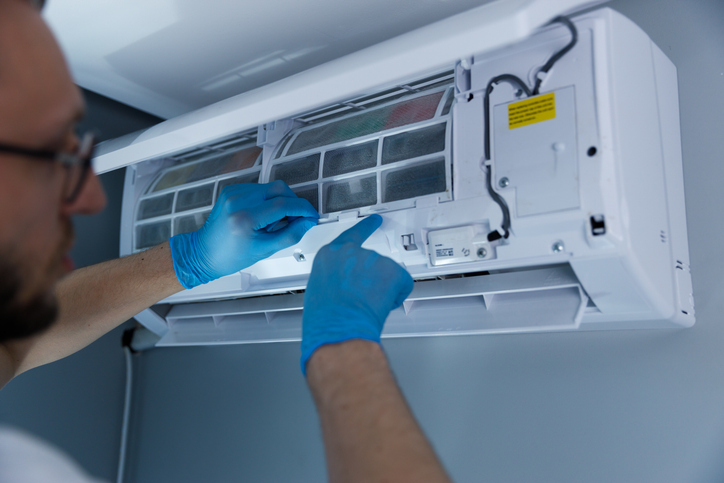
Regular maintenance is essential to keep ductless systems operating at peak efficiency. Filters should be cleaned or replaced every few weeks to ensure proper airflow and prevent the buildup of dust or debris. Neglecting maintenance can reduce performance and even damage the system over time. Fortunately, the installation simplifies some aspects of care since there are no ducts to inspect or clean. Homeowners can handle most filter maintenance themselves, but it’s still advisable to schedule professional servicing annually to check refrigerant levels and ensure all components are working efficiently.
8. Limited Heating Capacity in Cold Climates
Although many ductless systems include heat pump functionality, their performance can decline in extremely cold climates. In areas with harsh winters, a supplemental heating source may be needed to maintain indoor comfort. This limitation may not affect homeowners in milder regions, but it’s worth considering if you live in a place with freezing temperatures. Advances in technology have improved low-temperature operation in newer models, but traditional furnaces or hybrid setups might still be necessary for optimal efficiency. Nonetheless, for moderate climates, the installation provides reliable year-round comfort.
Installing a ductless AC offers an appealing blend of efficiency, comfort, and control that traditional systems can’t easily match. Its zoning capability, improved air quality, and quick installation make it a modern solution for a wide range of properties. However, factors like upfront cost, aesthetic preferences, and cold-weather performance should be weighed before making a final decision. For many homeowners, the long-term energy savings and flexibility far outweigh the disadvantages, making ductless systems a smart investment in home comfort and sustainability.
Conclusion
Upgrade your home comfort today with expert ductless AC installation. Contact our experienced technicians at Legacy Heating & Air at 972-342-3041 to schedule a consultation and discover how this efficient solution can transform your living space.