




When most people think of air pollution, they think of it as happening outdoors, but the air in your home can be just as harmful as outside air and sometimes even worse! Many people dealing with indoor air quality in Waxahachie, TX, don’t realise that many of the things that they do in their homes (cooking, cleaning, and using their HVAC systems) create poor Indoor Air Quality.
By knowing what causes poor indoor air quality, how it affects your health, and what you can do about it, you are able to take the right steps toward improving your indoor air quality.
The Hidden Pollutants in Your Home
Common indoor pollutants include dust, pet hair/dander, pollen, mold spores, and chemical vapours from household cleaning products and furniture. As you can imagine, these types of pollutants build up in your home, especially if you live in a home that is tightly insulated and built for energy efficiency. Without adequate ventilation and filtration, these pollutants will continue to circulate throughout the home rather than being released.
Important Health Effects from Unhealthy Air Quality
The health effects of poor indoor air quality include headaches, fatigue, allergies, sinus irritation, coughing, and trouble sleeping for adults. The effects may be more serious for children, the elderly, and those who have asthma or allergies. Continued exposure to unhealthy air will eventually contribute to chronic respiratory problems. If you spend time outside and then come back inside again and feel better, this is usually an indicator that something is wrong.
Your Heating and Cooling System’s HVAC’s are More Important than You May Think
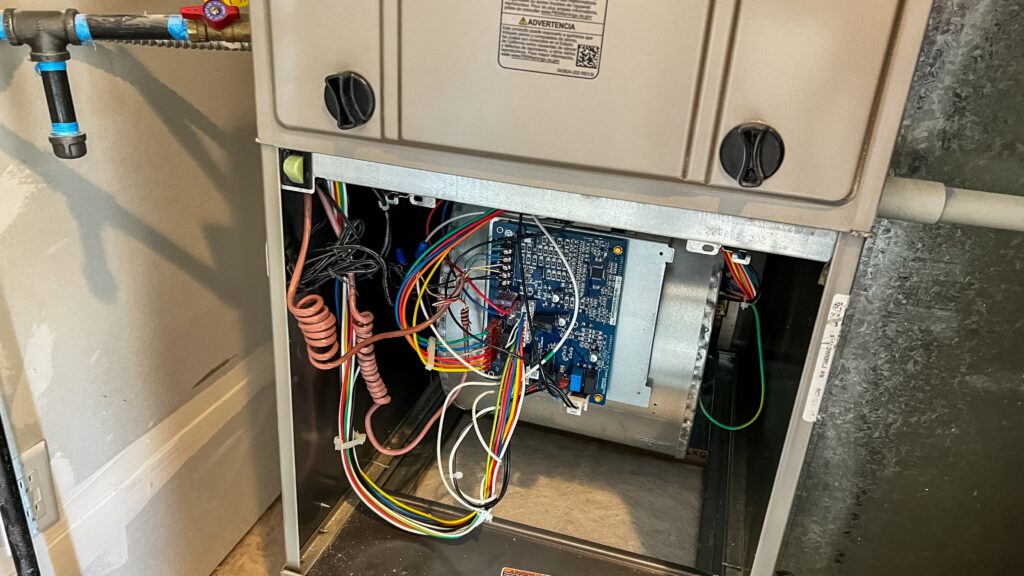
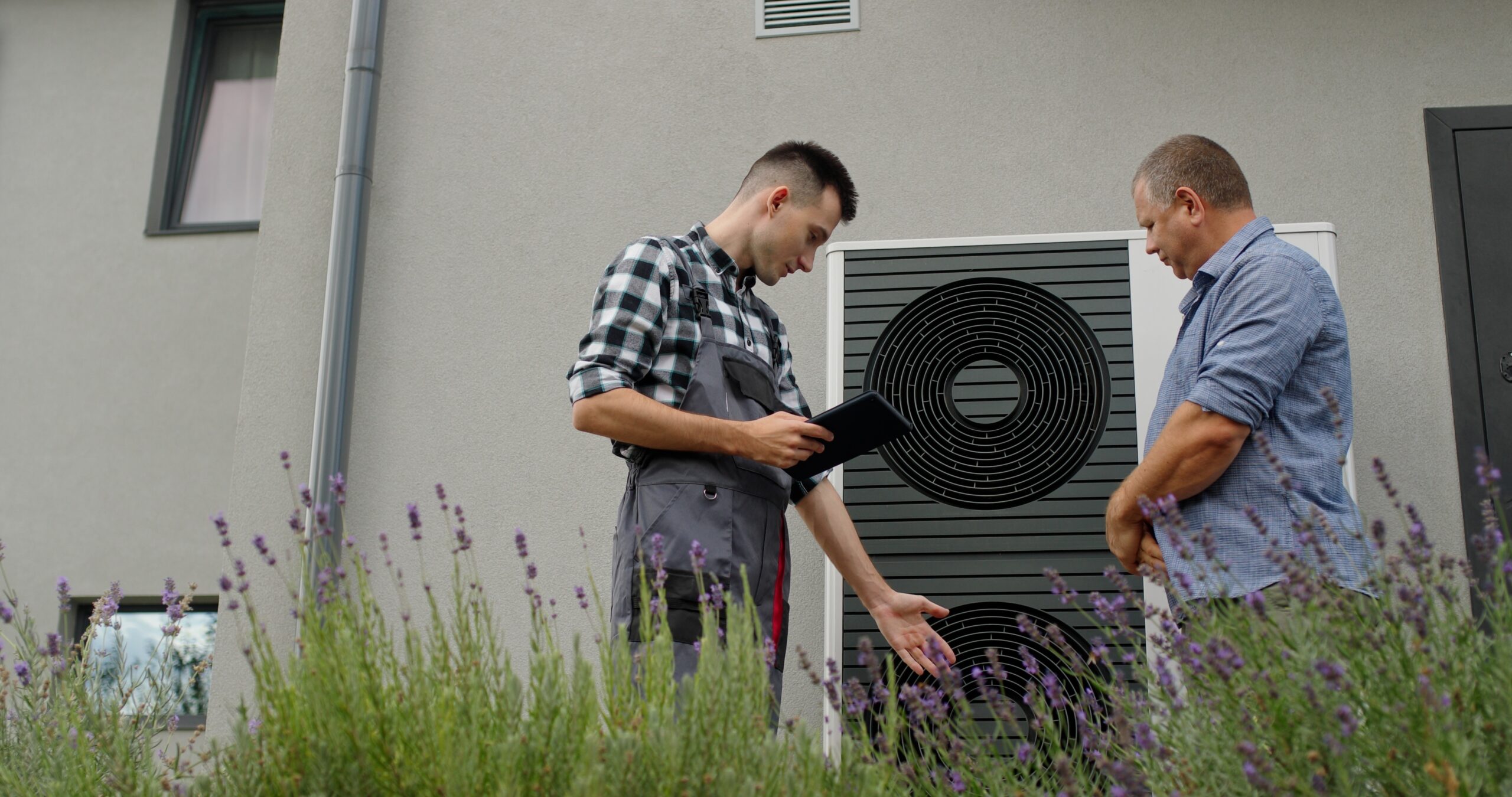
Your heating and cooling system is responsible for moving air throughout your entire home. A dirty filter, poor ducting, or an inefficiently designed airflow can actually draw contaminants into your home rather than removing them. When ductwork is old or damaged, it is not uncommon for homeowners to hire a professional company for air duct installation in Waxahachie, TX, in order to improve airflow and restrict the build-up of indoor pollutants.
A Few Easy Solutions Can Make a Difference
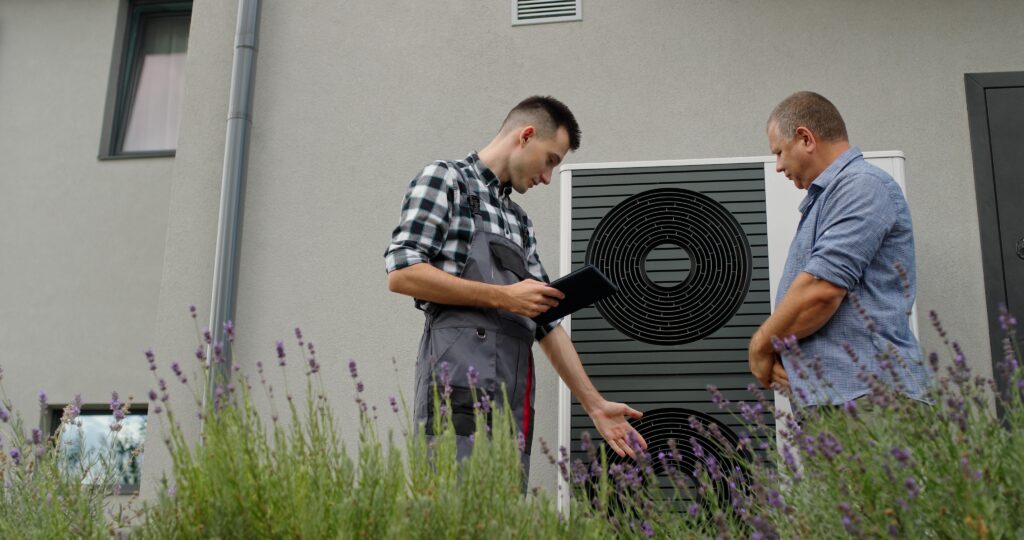
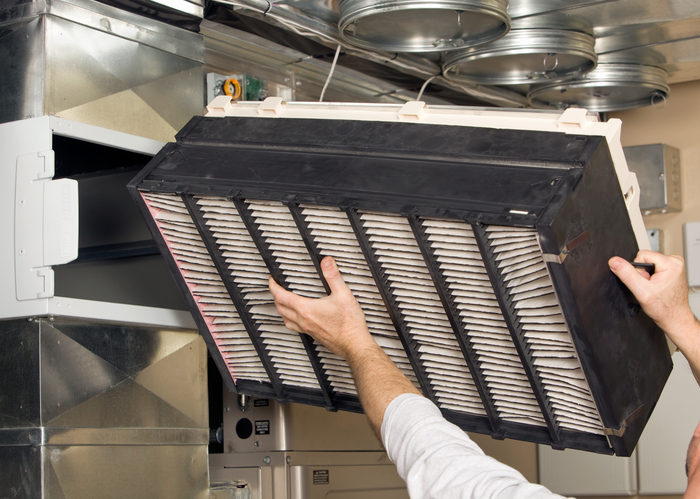
Many people do not realize how much better indoor air quality can be improved by changing Filters regularly, controlling Humidity levels, and having a qualified company inspect & perform HVAC maintenance. In addition to these three common practices, the use of exhaust fans in both kitchens & bathrooms, opening Windows (when appropriate), and buying products with lower levels of volatile organic compounds (VOCs) also eliminates indoor pollutants in significant ways.
Long-Term Solutions to Improve Indoor Air Quality
There are advanced long-term solutions available if you continue to experience poor indoor air quality, such as installing a whole-house air cleaner, upgrading your home’s filter system, or upgrading your home’s level of ventilation. Advanced long-term solutions not only mask symptoms but also offer continuous, healthier air throughout the year by addressing the root cause of your indoor air quality issues.
Indoor air quality usually doesn’t receive much attention, yet its impact on your health will accumulate gradually over time. Understanding what contributes to poor indoor air quality (IAQ) and making simple changes to improve IAQ will help you to become more comfortable in your home. Clean air leads to fewer health problems, better quality sleep, and a healthier environment for both you and your family.
You don’t have to do this by yourself! Contact the pros who have the experience and can help you. Contact Legacy Heating & Air today at 972-342-3041 for expert solutions that will improve your comfort, health, and peace of mind.
FAQs
1. What are the most common causes of poor indoor air quality in homes?
Poor indoor air quality often builds up quietly over time. Dust, pet dander, pollen, and mold spores are common contributors, especially in homes with older or leaky ductwork. Everyday activities like cooking, cleaning, or burning candles can also release particles into the air. In many homes dealing with indoor air quality in Waxahachie, TX, inadequate ventilation or clogged air filters allow these pollutants to circulate instead of being removed.
2. How does poor indoor air quality affect your health and comfort?
Breathing polluted indoor air can cause more than just temporary discomfort. Many people experience headaches, fatigue, allergy flare-ups, or sinus irritation, while those with asthma or respiratory conditions may notice symptoms worsening. Over time, consistently poor indoor air quality can disrupt sleep and reduce overall well-being, making the home feel less comfortable even when temperatures are just right.
4. Can ductwork problems make indoor air quality worse?
Yes, damaged or outdated duct systems are a major source of indoor air problems. Cracks, leaks, or poorly designed ducts allow dust, insulation particles, and outdoor contaminants to enter the airflow. In some cases, moisture buildup inside ducts can lead to mold growth. Professional air duct installation in Waxahachie, TX, helps ensure clean, sealed pathways for air, reducing the spread of pollutants throughout your home.
5. What are simple, effective ways to improve indoor air quality in Waxahachie, TX, right away?
Small steps can make a noticeable difference. Replacing air filters regularly, keeping vents unobstructed, and maintaining proper humidity levels all help reduce airborne irritants. Scheduling routine HVAC inspections ensures your system is circulating clean air efficiently. For homes struggling with ongoing issues, targeted upgrades such as improved ventilation or air duct installation in Waxahachie, TX, can provide long-term relief and healthier indoor air.